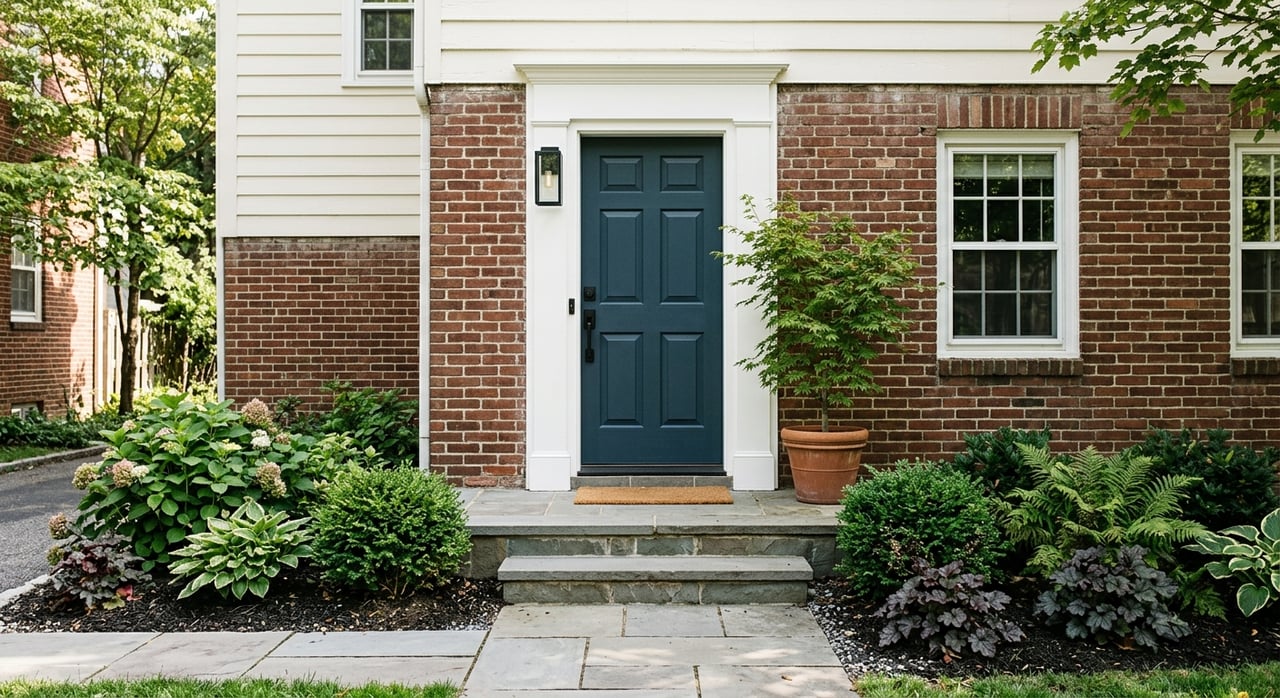
Wondering how much you should fix before listing an older home in Hummelstown? If your house has charm, history, and a few signs of age, you are not alone. In a borough with deep roots and a housing stock that includes many older properties, the goal is not to make your home look brand new. It is to present it honestly, cleanly, and confidently so buyers understand its value. Let’s dive in.
Why older-home prep matters in Hummelstown
Hummelstown is a small borough with 4,527 residents and 2,308 housing units, which can make presentation especially important when buyers compare homes closely in a smaller market. The median value of owner-occupied homes is $245,100, according to Census Reporter’s ACS profile for Hummelstown. In a market like this, visible condition often shapes first impressions quickly.
Hummelstown also has a long history. The Hummelstown Area Historical Society notes that the town was founded in 1762, and its 1815 Parish House is a local example of how older buildings often need ongoing care such as repointing masonry and repainting. A third-party neighborhood profile also estimates that 18.6% of Hummelstown homes were built in 1939 or earlier, which means age-related maintenance is a normal part of selling here, not an unusual exception.
Start with curb appeal first
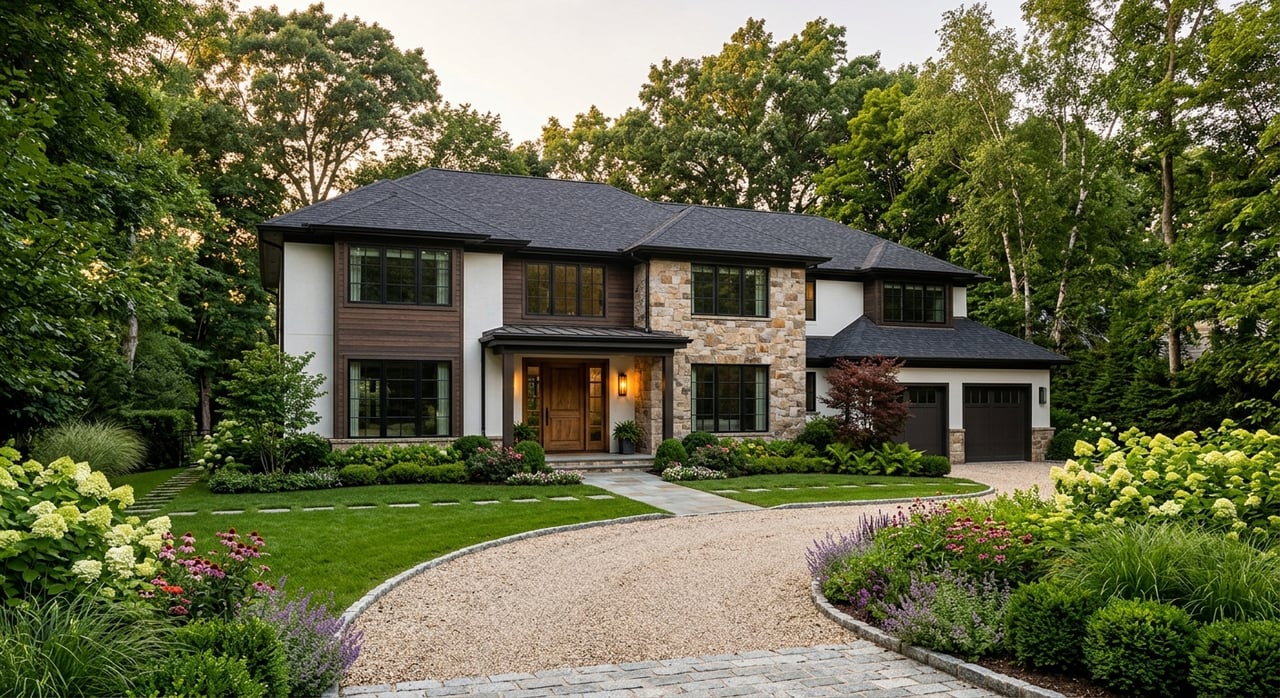
If you are deciding where to spend time and money, exterior condition is often the best place to begin. The National Association of Realtors consumer guide notes that sellers do not have to make cosmetic updates, but cleaning, decluttering, and improving curb appeal can help a home show better in person and in listing photos.
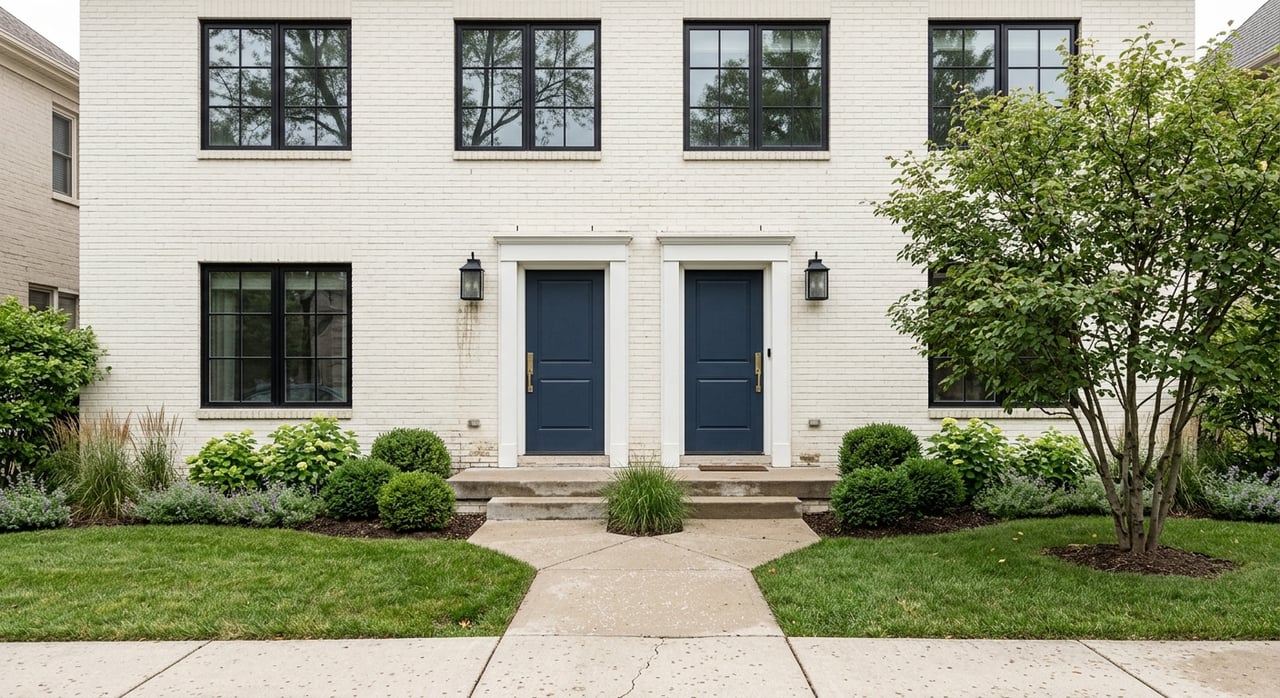
For an older Hummelstown home, that usually means focusing on maintenance items that buyers notice right away. A neat front entrance, trimmed landscaping, clean windows, and touched-up paint can make the home feel better cared for before a buyer even walks inside.
Exterior issues buyers notice quickly
Because Central Pennsylvania sees regular snow and rainfall, exterior upkeep is about more than appearance. The National Weather Service reports that Harrisburg averages 33.2 inches of snowfall annually, and NOAA climate normals for nearby Harrisburg 1 NE show 45.23 inches of annual precipitation. That makes moisture management a practical concern for homes in and around Hummelstown.
Before listing, it is smart to look closely at:
- Roof condition
- Gutters and downspouts
- Grading near the foundation
- Porch and step surfaces
- Walkways and handrails
- Peeling paint
- Cracked caulk
- Loose mortar on masonry surfaces
These issues can affect both first impressions and buyer confidence. Even if you are not planning a full round of repairs, visible maintenance items can lead buyers to wonder what else may have been deferred.
Focus on the repairs that matter most
You do not need to renovate everything to sell successfully. In many cases, the best strategy is to address issues that either affect how the home shows or raise questions about larger problems.
According to NAR, sellers may also benefit from getting cost estimates for major items such as a roof, HVAC system, or appliances, even if they do not plan to replace them before listing. That way, if buyers bring up those items during negotiations, you are prepared with real numbers instead of guesses.
Prioritize these projects
For many older homes, the most important pre-sale projects fall into a few categories:
- Safety and function: loose railings, trip hazards, active leaks, exposed wiring concerns, or plumbing issues
- Moisture control: roof wear, drainage problems, damp basement concerns, cracked caulk, and failing gutters
- Visible upkeep: peeling paint, stained walls, dirty windows, worn light fixtures, and cluttered rooms
- Deferred maintenance signals: damaged porch boards, cracked masonry joints, or exterior surfaces that suggest neglect
These are often more important than trendy cosmetic upgrades. Buyers can usually live with an older kitchen for a while. They are more likely to hesitate if they see signs of water intrusion or exterior deterioration.
Consider a pre-listing inspection
For an older Hummelstown home, a pre-listing inspection can be one of the smartest steps you take. NAR explains that a pre-sale inspection is not required, but it can help identify issues you may want to repair before showings and can help your home stand out.
A typical inspection may review the structure, exterior, roof, plumbing, electrical systems, heating and air conditioning, interiors, insulation, ventilation, and fireplaces. NAR also notes that some pre-sale inspections may include tests for concerns such as mold, radon gas, lead paint, and asbestos.
Why inspections help older sellers
With an older property, the biggest advantage is clarity. A pre-listing inspection can help you separate:
- Minor cosmetic wear from true repair needs
- Routine aging from bigger system concerns
- Buyer negotiation points from issues that need immediate attention
That can help you decide whether to repair an item, disclose it, or price with it in mind. It also gives you more control over the process instead of waiting for a buyer’s inspector to uncover surprises after you are under contract.
NAR also notes that sellers often choose a pre-listing inspection when a home has deferred maintenance or when they are unsure whether an issue is cosmetic or structural. That fits many older homes well.
Do not guess about major issues
If you see a crack in a wall, a musty basement corner, or uneven flooring, it can be tempting to assume you know the cause. But Pennsylvania law does not require you to make your own technical investigation to complete the seller disclosure. Instead, this is where licensed inspectors and qualified contractors can help.
The practical move is simple: do not self-diagnose structural, drainage, roof, or system issues. Bring in the right professionals, get clear information, and use that information to decide what to fix, what to disclose, and how to position the home for sale.
Understand Pennsylvania disclosure rules
Selling confidently also means understanding what you need to disclose. Under Pennsylvania law, sellers must disclose known material defects by completing the property disclosure statement and delivering it before signing an agreement of transfer.
For older homes, that disclosure can be especially important because the form covers many areas where age-related issues may show up. These include:
- Roof
- Basements and crawl spaces
- Termites, wood-destroying insects, dry rot, and pests
- Structural problems
- Additions and remodeling
- Water and sewage systems
- Plumbing
- Heating and air conditioning
- Electrical systems
- Soils and drainage
- Boundaries and sinkholes
- Hazardous substances
- Legal and title issues
- Stormwater facilities
The law does not require you to conduct specific investigations. But it does require that you do not make false, deceptive, or misleading statements, and that you do not omit known material defects. If something changes before settlement and your disclosure becomes inaccurate, it can be amended in writing before transfer.
What “as is” does and does not mean
Some sellers assume that listing a home “as is” removes disclosure responsibilities. It does not. NAR explains that “as is” generally means you are not promising repairs or making guarantees about condition, but it does not cancel your duty to disclose known material defects.
For an older Hummelstown home, that distinction matters. You can sell a property in its current condition while still being honest and complete about what you know.
Lead paint rules may apply
If your home was built before 1978, federal lead-based paint rules likely apply. The EPA’s lead disclosure requirements for real estate transactions say sellers must:
- Provide buyers with the lead pamphlet
- Disclose known information about lead-based paint and hazards
- Share available records and reports
- Allow a 10-day period for an inspection or risk assessment unless that right is waived in writing
The EPA also notes that deteriorating lead paint is a hazard and should be addressed promptly. If your older home has peeling or chipping painted surfaces, this is worth reviewing before you go live.
A confident sale starts with clear documentation
One of the best ways to reduce stress when selling an older home is to gather information early. If you have receipts, contractor invoices, maintenance records, roof dates, system service records, or permits for past work, pull them together before listing.
This does two things. First, it helps you complete disclosures more accurately. Second, it gives buyers more confidence that the home has been cared for over time, even if it still shows its age in places.
Your best strategy: clean, repair, disclose, price
If you are not sure where to start, keep the plan simple. For most older Hummelstown homes, the strongest approach is to:
- Clean thoroughly so the home feels well cared for
- Address visible exterior and moisture-related concerns first
- Get expert opinions on anything major or unclear
- Complete disclosures carefully and honestly
- Price with condition in mind if you are leaving some updates for the next owner
That approach is often more effective than over-improving or trying to hide the home’s age. Buyers understand that older homes come with character and maintenance history. What they want is confidence in what they are seeing.
If you are preparing an older home in Hummelstown for sale, the right plan can help you avoid surprises and move forward with more peace of mind. For clear, local guidance on what to fix, what to disclose, and how to position your home in today’s market, connect with Ajay Patel.
FAQs
Should I repair everything before selling an older home in Hummelstown?
- No. Focus first on visible exterior upkeep, moisture-related concerns, safety issues, and major items that may affect buyer confidence or negotiations.
Is a pre-listing inspection worth it for an older Hummelstown house?
- Often, yes. A pre-listing inspection can reveal issues early and help you decide whether to repair, disclose, or price around them before buyers conduct their own inspection.
What does Pennsylvania require sellers to disclose for an older home?
- Pennsylvania requires sellers to disclose known material defects, including issues related to the roof, structure, basement or crawl space, plumbing, electrical, HVAC, drainage, pests, and other listed property conditions.
Does selling a Hummelstown home as is remove disclosure duties?
- No. Selling as is does not remove your obligation to disclose known material defects under Pennsylvania law.
Do pre-1978 homes in Hummelstown need lead paint disclosure?
- In most cases, yes. Federal law requires sellers of most pre-1978 housing to provide lead-related disclosures, available records, and an opportunity for buyer inspection unless waived in writing.
What should I do if I am unsure whether an older-home issue is structural?
- Do not guess. It is usually best to consult a licensed inspector or qualified contractor so you can make informed repair, pricing, and disclosure decisions.